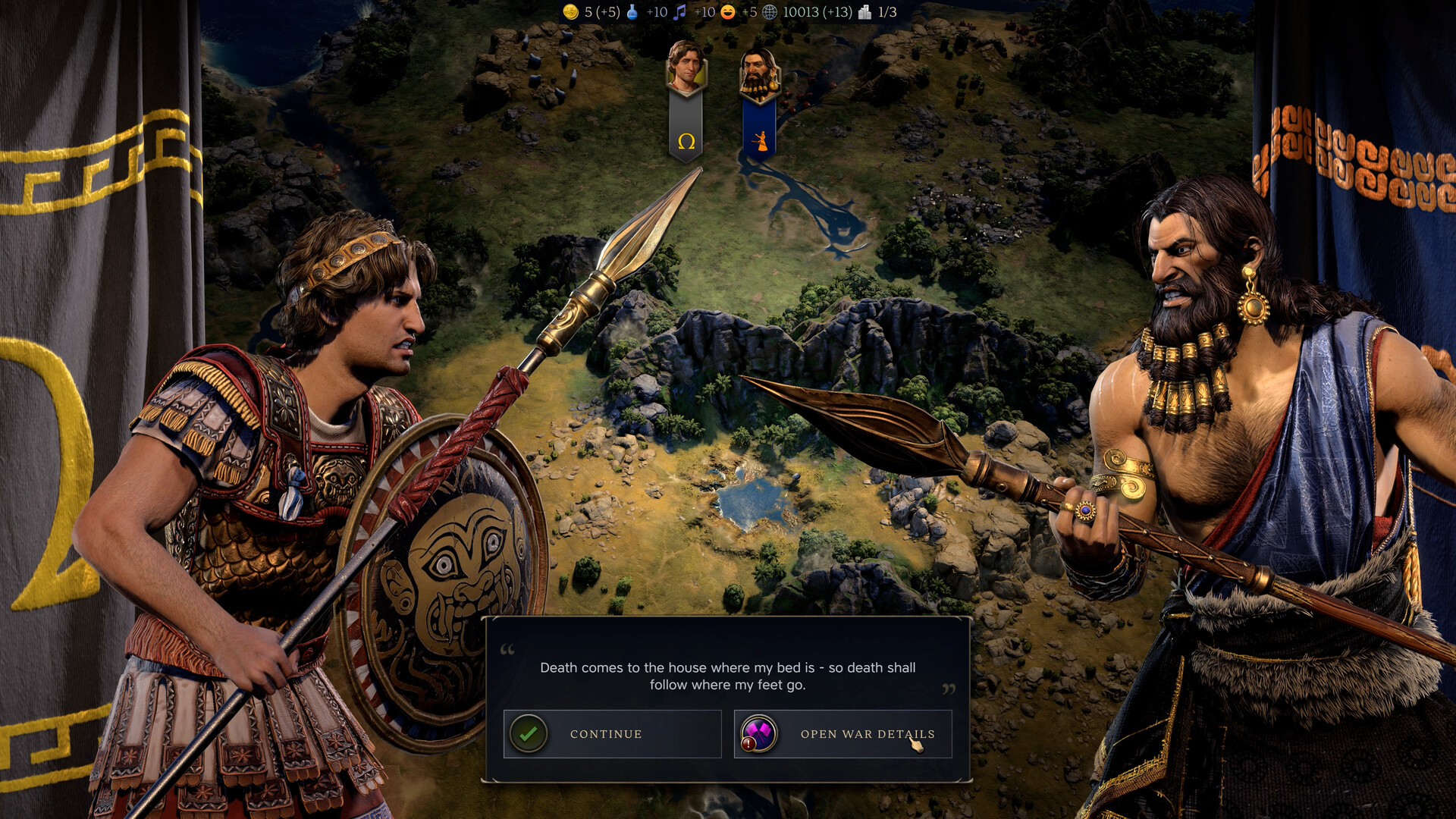
Gamers and armchair emperors, prepare for "just one more turn." Sid Meier's Civilization VII arrives as the next evolutionary leap in the definitive 4X grand strategy genre. Developed by Firaxis Games and published by 2K, Civ 7 introduces dynamic historic Ages, distinct architectural evolutions across millennia, seamless tactical army commands, and an upgraded DirectX 12 graphical engine showcasing vibrant living landscapes and intricate city districts.
While turn-based strategy titles may not always demand ultra-fast reflexes, Civ 7 puts tremendous computational load on your CPU, memory subsystem, and graphics card—especially during late-game turns with massive world maps, dozens of AI empires, and hundreds of moving units. Here is the official PC system requirements breakdown and performance optimization guide.
⚡ Can Your PC Handle Huge Maps and Fast Late-Game Turns?
Benchmark your processor and graphics card with our instant hardware diagnostic tool to see if your rig meets Civilization VII's demands.
🚀 TEST YOUR RIG WITH CAN MY PC RUN IT NOW →Civilization VII Official PC System Requirements
Below are the official minimum, recommended, and ideal ultra-settings specifications for Sid Meier's Civilization VII:
Hardware Performance Analysis for Strategy Players
1. CPU Cache & Late-Game Turn Times
The single most noticeable performance metric in 4X strategy games isn't just raw FPS—it's AI turn processing time. In the Modern Age of a Civ 7 match, the game engine calculates trade routes, diplomatic treaties, military pathfinding, and production queues for dozens of civilizations and independent powers concurrently.
Processors with high single-core IPC and massive L3 cache pools (like AMD's 3D V-Cache series or modern Intel Hybrid architectures) can shorten turn times by over 40% compared to entry-level CPUs, keeping your campaign fast and engaging.
2. Memory Speed & Dual-Channel Bandwidth
Civilization VII stores vast quantities of map tile state information, unit positions, and historical timelines in memory. Running in dual-channel RAM mode (16 GB minimum, 32 GB recommended) provides the memory bandwidth required to prevent frame hitches when zooming all the way out from individual street-level city tiles to global orbital views.
Best Graphics Settings for Optimal Framerates
- Leader Scene Quality: Lowering animated leader scene details from Ultra to High substantially reduces GPU load during lengthy diplomatic negotiations without degrading tactical map visuals.
- Dynamic Terrain Shadows: Setting terrain shadows to Medium / High offers clean definition around mountain ranges and coastal cliffs while freeing up critical VRAM on 4 GB and 6 GB graphics cards.
- Anti-Aliasing (TAA / FSR): Enable TAA or modern temporal upscalers to smooth out dense building edges and foliage across expanded urban districts.
- Fast Unit Movement & Fast Combat: Toggle these settings under Game Options to accelerate tactical animations during large-scale wartime skirmishes.
Explore our comprehensive Game Specs Directory to benchmark all upcoming strategy and blockbuster titles, and consult our GPU Tier List & Hardware Guide for ideal rig configuration tips.
0 comments:
Post a Comment